The water you cook with matters
Water is a key ingredient in rice, soup, beverages and a wide range of household dishes. The best choice is water that is microbiologically safe and suitable for food preparation.
Tap water: assess local quality
Tap water can be appropriate for cooking where it meets safe drinking-water standards. In places with uncertain supply or contamination risk, use a trusted safe source and follow applicable public-health guidance. Boiling can address many microbes but does not remove dissolved heavy metals.
Reverse-osmosis water
Reverse osmosis (RO) can reduce many dissolved substances, including some minerals. Whether this is desirable depends on the water being treated. RO water is not automatically unsafe for cooking, and claims that it always removes nutrients from a finished meal are too broad.
What ION Cooking Water offers
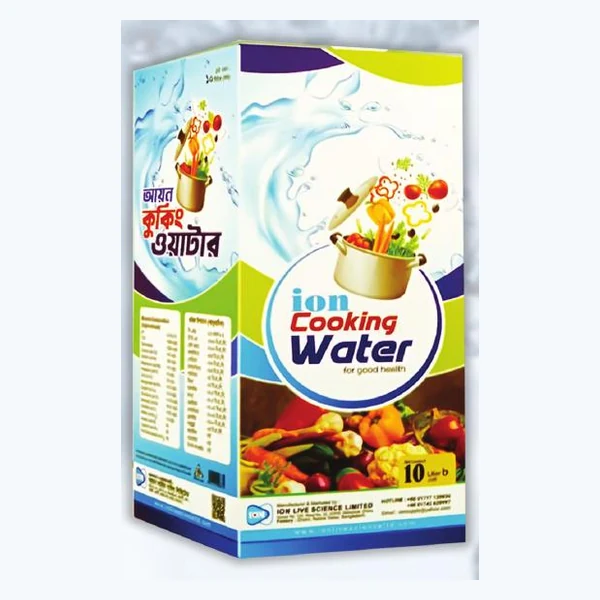
ION markets water formulated for food preparation. If you are comparing it with other sources, review the product's verified composition, taste, available testing records and package options. Water chemistry may affect some recipes, but the results depend on ingredients and cooking methods.
Practical kitchen tips
- Use a safe water source for washing produce and preparing food.
- Keep water containers clean and tightly closed.
- Follow food-safety recommendations for any local water-quality warnings.
- Consider mineral levels and flavour when cooking delicate dishes.
Reliable water quality comes before marketing claims. This guide is informational and does not suggest avoiding all tap or RO water.
Based on the original ION article: View original source
More stories